What Is an Entertainer?
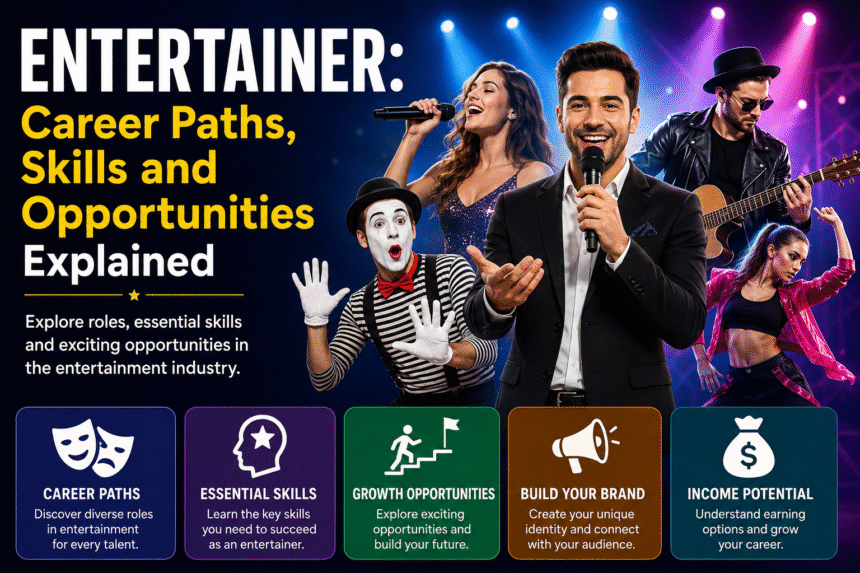
An entertainer is a professional who engages, informs, inspires, or amuses an audience through various forms of performance or content creation.
Entertainment can take many forms, including:
- Acting
- Singing
- Dancing
- Comedy
- Magic performances
- Hosting events
- Content creation
- Podcasting
- Broadcasting
- Public speaking
The primary goal of an entertainer is to create meaningful experiences that capture audience attention and generate emotional responses.
Why Entertainers Matter in Society
Entertainment plays a significant role in everyday life. People turn to entertainers for relaxation, inspiration, education, and social connection.
Entertainers contribute by:
- Bringing communities together
- Encouraging creativity
- Providing cultural expression
- Supporting mental wellbeing through enjoyment
- Creating memorable experiences
- Sharing stories and perspectives
From local performers to global celebrities, entertainers influence culture and shape conversations around the world.
Types of Entertainers
The entertainment industry offers a wide range of career options.
Musicians and Singers
Musicians perform live, record music, and create content for audiences across multiple platforms.
Examples include:
- Solo artists
- Band members
- Session musicians
- Vocal performers
Actors
Actors perform in:
- Films
- Television programmes
- Theatre productions
- Commercial advertisements
- Online video content
They bring stories and characters to life through performance.
Comedians
Comedians entertain audiences through humour.
Career opportunities include:
- Stand-up comedy
- Television appearances
- Online content
- Corporate events
- Comedy writing
Dancers
Professional dancers perform in:
- Stage productions
- Music videos
- Touring shows
- Television programmes
- Commercial campaigns
Hosts and Presenters
Presenters guide audiences through events, broadcasts, and programmes.
Common roles include:
- Television hosts
- Radio presenters
- Event emcees
- Podcast hosts
Digital Content Creators
The rise of social media has created a new generation of entertainers.
Platforms include:
- YouTube
- TikTok
- Twitch
- Podcast networks
Content creators build audiences through engaging videos, livestreams, and educational or entertaining content.
Career Paths for an Entertainer
One of the biggest advantages of working as an entertainer is the variety of available career paths.
Traditional Entertainment Careers
Traditional routes include:
| Career Path | Typical Work Environment |
|---|---|
| Actor | Film, TV, Theatre |
| Singer | Concerts, Recording Studios |
| Dancer | Stage Shows, Productions |
| Presenter | TV, Radio, Events |
| Musician | Live Events, Tours |
These careers often involve auditions, professional representation, and extensive networking.
Digital Entertainment Careers
Digital platforms have expanded career opportunities significantly.
Examples include:
- YouTubers
- Social media influencers
- Streamers
- Podcasters
- Online educators
- Video creators
These careers allow entertainers to build audiences independently.
Corporate Entertainment
Many businesses hire entertainers for:
- Conferences
- Corporate events
- Product launches
- Team-building activities
This sector offers consistent opportunities and professional networking benefits.
Educational Entertainment
Some entertainers specialise in combining education with performance.
Examples include:
- Children’s performers
- Museum presenters
- Educational YouTubers
- Science communicators
This niche continues to grow as audiences seek informative and engaging content.
Essential Skills Every Entertainer Needs
Success in entertainment depends on much more than talent alone.
Communication Skills
Strong communication helps entertainers connect with audiences and industry professionals.
Effective communication includes:
- Public speaking
- Storytelling
- Active listening
- Audience engagement
Creativity
Creativity enables entertainers to develop unique content and memorable performances.
Creative entertainers often:
- Experiment with new ideas
- Adapt to trends
- Develop original concepts
Confidence
Confidence helps performers deliver engaging experiences.
Ways to improve confidence include:
- Regular practice
- Performance experience
- Public speaking exercises
- Professional coaching
Adaptability
The entertainment industry changes rapidly.
Successful entertainers adapt to:
- New technologies
- Audience preferences
- Industry trends
- Platform updates
Networking Skills
Building relationships is essential.
Networking opportunities include:
- Industry events
- Workshops
- Social media communities
- Professional associations
Strong networks often lead to collaborations and career opportunities.
Education and Training Options
There is no single path to becoming an entertainer.
Formal Education
Many professionals choose programmes in:
- Performing arts
- Theatre
- Music
- Dance
- Broadcasting
- Media production
Formal education can provide valuable technical knowledge and industry connections.
Workshops and Courses
Short-term training programmes can help entertainers improve specific skills such as:
- Acting
- Singing
- Voice training
- Comedy writing
- Presentation skills
Self-Learning
Many successful entertainers develop their skills independently through:
- Online tutorials
- Practice sessions
- Industry research
- Mentorship opportunities
Continuous learning remains important throughout an entertainer’s career.
How to Start a Career as an Entertainer
Starting can feel overwhelming, but a structured approach helps.
Step 1: Identify Your Strengths
Ask yourself:
- What type of entertainment interests me?
- What skills do I already possess?
- Which audiences do I enjoy engaging with?
Understanding your strengths provides direction.
Step 2: Develop Your Skills
Practice consistently.
Examples include:
- Daily vocal exercises
- Acting workshops
- Dance classes
- Content creation practice
Improvement comes through repetition and experience.
Step 3: Create a Portfolio
A professional portfolio showcases your abilities.
Include:
- Videos
- Audio samples
- Photographs
- Testimonials
- Performance highlights
A strong portfolio increases credibility.
Step 4: Build an Online Presence
Modern entertainers benefit from visibility.
Useful platforms include:
- YouTube
- TikTok
- Personal websites
Consistency helps attract audiences and opportunities.
Step 5: Gain Experience
Start wherever opportunities exist.
Examples include:
- Community events
- Open mic nights
- Local theatre
- School productions
- Online livestreams
Every performance builds confidence and experience.
Income Opportunities and Revenue Streams
Today’s entertainers can generate income from multiple sources.
Performance Fees
Many entertainers earn through:
- Concerts
- Speaking engagements
- Corporate events
- Private functions
Sponsorships and Brand Partnerships
Popular entertainers often collaborate with brands.
Potential opportunities include:
- Sponsored content
- Product endorsements
- Event appearances
Advertising Revenue
Digital entertainers may earn through:
- Video advertisements
- Website advertising
- Platform monetisation programmes
Merchandise Sales
Many entertainers create products such as:
- Clothing
- Accessories
- Digital products
- Collectables
Membership and Subscription Models
Some entertainers generate recurring revenue through:
- Exclusive content
- Membership communities
- Premium subscriptions
Diversifying income streams often improves long-term stability.
Challenges Faced by Entertainers
While entertainment can be rewarding, it also presents challenges.
Competition
The industry is highly competitive.
Standing out requires:
- Consistent quality
- Originality
- Professionalism
Income Variability
Work opportunities may fluctuate.
Financial planning helps manage uncertainty.
Audience Expectations
Audiences continually seek fresh and engaging content.
Successful entertainers maintain relevance by innovating regularly.
Mental and Emotional Pressure
Public visibility can create pressure.
Maintaining healthy routines and support systems is important for long-term wellbeing.
Building a Personal Brand
Personal branding has become essential in entertainment.
What Is a Personal Brand?
A personal brand is how audiences perceive you.
It includes:
- Your personality
- Content style
- Values
- Professional image
How to Strengthen Your Brand
Be Consistent
Use a consistent message across all platforms.
Know Your Audience
Understand:
- Demographics
- Interests
- Challenges
- Preferences
Deliver Value
Successful entertainers consistently provide:
- Entertainment
- Education
- Inspiration
- Engagement
A strong personal brand increases trust and recognition.
Future Trends in Entertainment
The entertainment industry continues to evolve.
Digital-First Content
Online platforms remain central to audience growth.
Short-Form Video
Short videos continue attracting significant engagement.
Livestreaming
Live interaction creates stronger audience connections.
Creator Economy Growth
Independent entertainers now have more opportunities to monetise content directly.
Artificial Intelligence and Technology
New technologies support:
- Content production
- Audience analytics
- Creative workflows
Entertainers who embrace innovation may discover new opportunities for growth.
Conclusion
The role of an entertainer has evolved significantly, creating more career opportunities than ever before. From traditional performing arts to digital content creation, today’s entertainment industry offers diverse pathways for individuals with talent, dedication, and creativity.
Success as an entertainer requires a combination of skill development, professionalism, adaptability, and audience engagement. While the journey can be competitive, those who invest in their craft, build strong networks, and continuously learn often discover rewarding opportunities across multiple sectors.
Whether your goal is to perform on stage, host events, create online content, or inspire audiences through storytelling, the entertainment industry continues to offer exciting possibilities for passionate individuals willing to put in the work.